Wet-on-wet and wet-on-dry, explained
Soft edges, sharp edges and the short moment in between that matters most.

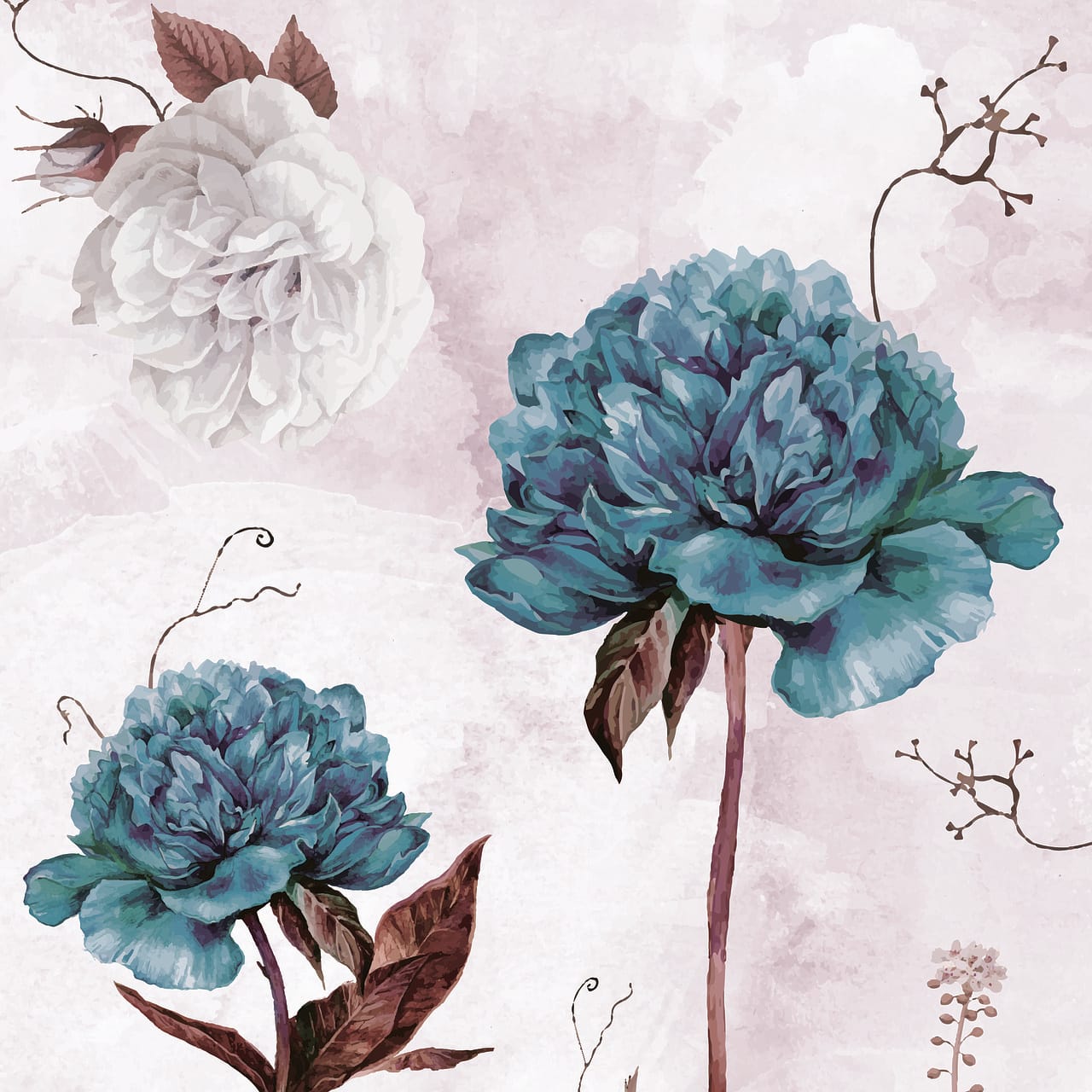
Every watercolour painting is a conversation between water and paper. How wet the paper is when the paint touches it decides everything: whether an edge is soft or sharp, whether colours blend or stay apart. This lesson explains the two basic approaches, wet-on-wet and wet-on-dry, and the few moments in between that matter most.
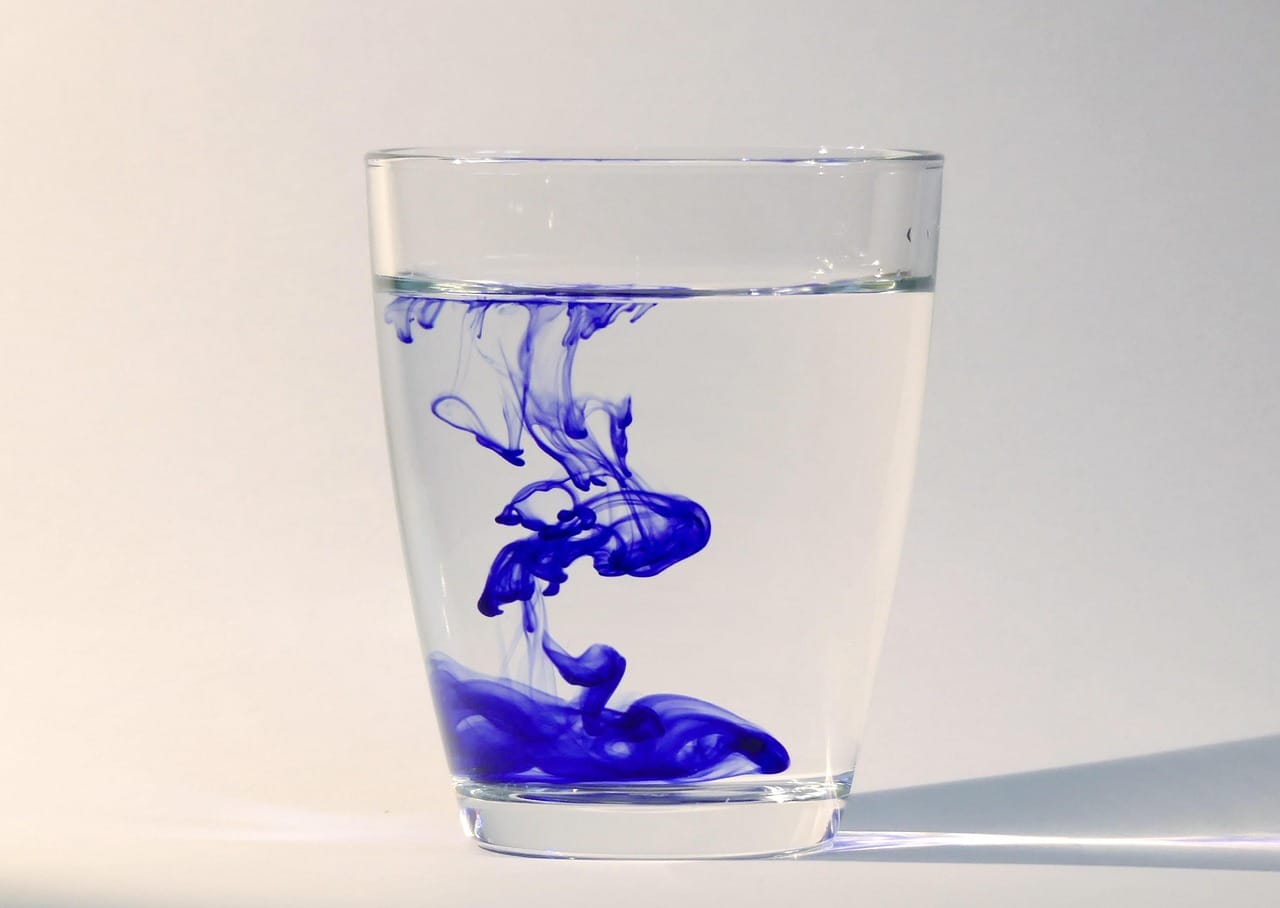
Wet-on-wet
Wet-on-wet means painting on paper that is already wet. The paint spreads, softens and blends by itself. It is ideal for skies, water, soft backgrounds and anything out of focus.
- Brush clean water over the area with your flat brush.
- Wait until the paper looks evenly damp, without puddles.
- Touch a loaded round brush to the paper and let the colour spread.
- Drop in a second colour and let them mix on the paper.
The hardest part is doing less. The paint will keep moving for a while after you lift the brush, and most beginners fiddle with it and create muddy colour. Drop the colour in, then step back.